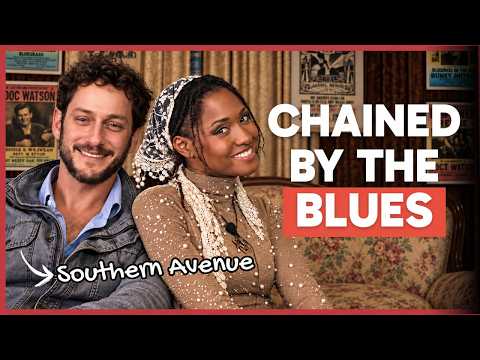
How Molly Tuttle Is Redefining Modern Bluegrass Guitar
PodcastFrom Bluegrass Roots to Modern Innovation
Molly Tuttle has become one of the most compelling voices in modern acoustic music, seamlessly blending traditional bluegrass with contemporary influences ranging from punk rock to pop. In this candid conversation, the Grammy-winning guitarist opens up about her musical journey, technical development, and the creative risks that have shaped her unique sound.
Growing up in a musical family in California, Tuttle's foundation was built on three generations of bluegrass tradition. Her grandfather played banjo, and her father served as both her first teacher and guide into the world of acoustic music. This deep rootedness in tradition would later become the launching pad for her innovative approach to the genre.
The Accidental Right Hand Development
When asked about developing her renowned flatpicking technique, Tuttle's response might surprise aspiring guitarists: "I never really worked that much at it. I just kind of feel like I picked it up naturally from watching my dad."
However, she did focus on specific technical elements crucial to bluegrass guitar:
- Rest strokes: Playing a string and letting the pick rest on the string below for volume and tone
- Cross picking: A banjo-roll inspired technique using alternating pick patterns across three strings
- Inside and outside string exercises: Alternating between adjacent strings to build coordination
Her approach to cross picking, demonstrated through "Wildwood Flower," shows how simple melodies can be enhanced with syncopated picking patterns. The technique involves taking a basic melody and adding embellishment through consistent three-string patterns that create rhythmic complexity.
The Clawhammer Guitar Revelation
One of Tuttle's most distinctive techniques is clawhammer guitar, which she discovered almost by accident at a music camp. This approach translates traditional clawhammer banjo technique to guitar using open tunings.
The technique involves:
- Using fingernails instead of a pick
- Striking down with index and middle fingers on higher strings
- Using the thumb to catch lower strings on the upstroke
- Creating percussive sounds by letting the hand hit the guitar body
"I keep waiting for it to catch on more," Tuttle says. "If you already play clawhammer banjo, you got to try it on guitar because it's so easy to transfer it over."
Finding Her Voice Through Contrast
What makes Tuttle's approach fascinating is how she draws connections between seemingly disparate genres. She identifies common threads between bluegrass and punk rock: "Often simple songs like maybe three or four chords, but it's like fast tempos and lots of energy and lots of emotion and excitement."
This insight shaped her recent album "So Long Little Miss Sunshine," which incorporates influences from bands like Rancid and Green Day alongside her bluegrass foundation. The creative risk of blending these styles has paid off, creating a sound that feels both rooted and revolutionary.
The Structured Path to Mastery
Despite her natural aptitude, Tuttle's development included intensive practice periods, especially during her time at Berklee College of Music. Her practice routine was methodically divided into three parts:
- Improvisation work: Playing over challenging chord progressions or unusual keys using computer-generated loops
- Technical exercises: Scales and arpeggios worked through the circle of fifths
- Creative exploration: Learning new songs purely for enjoyment
This balanced approach ensured both technical growth and creative fulfillment, a lesson valuable for any developing guitarist.
Learning from the Masters
Tuttle's transcription work focused heavily on bluegrass legends like Tony Rice and David Grisman. She relied on slow-down software and, when available, tablature books to decode complex solos and techniques.
For aspiring bluegrass players, she recommends starting with essential fiddle tunes:
- Salt Creek
- Bill Cheatham
- Billy in the Low Ground
- Soldier's Joy
- St. Anne's Reel
"Go listen to one of Clarence White's fiddle tune albums," she advises. "He played so many of the standards, and they're great to learn the standard versions from."
The Business of Being an Artist
Tuttle candidly discusses the unexpected business aspects of a music career: "You're like part business owner, part artist, part therapist sometimes." This reality often surprises musicians focused purely on the creative side.
Her advice for navigating the industry? "Trust your gut, and if something doesn't feel right or you're not excited about it, then you don't have to do it just because maybe someone is telling you that you should."
Practical Takeaways for Guitar Students
Several key lessons emerge from Tuttle's approach:
- Embrace your influences: Don't limit yourself to one genre—find connections between different musical styles
- Balance technique and creativity: Structure practice time to include both mechanical exercises and enjoyable exploration
- Learn from recordings: Use slow-down tools to transcribe solos and understand how masters approach their instrument
- Play with others: Jam sessions and group playing accelerate learning and build confidence
- Stay authentic: Develop your unique voice rather than copying others exactly
Looking Forward
With plans for new recordings and upcoming tours, including opening slots for Chris Stapleton and Tyler Childers, Tuttle continues pushing bluegrass into new territories. Her goal remains creating "something really sustainable" that brings joy to audiences while supporting the musical family she's built around her art.
For intermediate and advanced players looking to expand their acoustic guitar vocabulary, Molly Tuttle's approach offers a masterclass in how tradition and innovation can coexist, creating something entirely new while honoring the past.
Continue exploring
Insights from our community of musicians, mentors, and students.