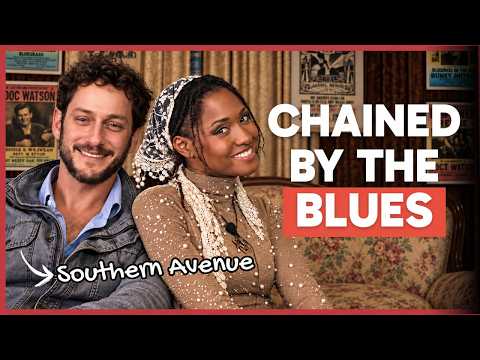
How Billy Strings Actually Practices (and Keeps Getting Better)
PodcastHow Billy Found a New Way to Grow
When Billy Strings sat down with his longtime Sonora mentor Robb Cappelletto at Carter Vintage Guitars, one theme came up immediately: at the highest level, improvement isn’t automatic. Even after years of touring, recording, and playing in front of thousands, Billy hit a plateau — repeating licks, relying on instinct, and feeling like he wasn’t actually getting better.
That frustration is what led him to Sonora. He wanted structure, clarity, and a way to break habits built from a lifetime of ear-only bluegrass. It was a turning point: less drifting, more deliberate craft.
Theory, Creativity, and Playing Without Overthinking
Billy pushes back against the idea that theory kills creativity. For him, understanding harmony and the fretboard didn’t sterilize his playing — it freed it. He explains that when he’s truly making music, none of the scales or exercises are in his conscious mind.
But those skills show up when the stage goes sideways: bad monitors, loud rooms, too many players, not enough clarity. Knowing where the notes live on the neck lets him navigate instinctively.
Knowledge didn’t replace feel. It deepened it.
Breaking Out of a Plateau: Practice That Actually Shows Up on Stage
A major part of Billy’s growth came from small, specific exercises Robb assigned — diatonic patterns, shell voicings, ways of connecting chords instead of running box patterns.
He didn’t leave these on the page. They went straight into the music.
On his record Highway Prayers, the tune “Escanaba” uses a pattern directly from Robb’s lessons. That connection — practice to performance — became a new model for him: learn something, integrate it slowly, and let it appear naturally in the writing.
Expanding Beyond the Bluegrass Box
Billy describes a long shift from three-chord comfort toward a more flexible musical language. Robb introduced closed-position chords, jazz extensions, and melodic approaches that let Billy “wrap around” changes instead of just soloing over them.
At first it was awkward. Eventually, it became instinctive.
Tunes like “Bye Bye Blues” started living comfortably on new parts of the neck. Old fiddle tunes gained deeper harmonic life. His playing widened without losing its roots.
Ear-Training, Melody, and Learning from the Masters
Even before theory, Billy’s foundation was listening. Doc Watson, Tony Rice, Hendrix, Sabbath — he absorbed melodies and phrases long before he knew the terminology behind them.
He breaks down how one tune (“Nothing to It”) became a lifelong vocabulary source: small fragments, right-hand ideas, chord-to-chord motion, blues inflections.
One recording could fuel months of growth.
For Billy, transcription isn’t copying. It’s understanding how melody guides character — the part that makes a tune feel like itself.
Improvisation, Energy, and Staying Present on Stage
Billy speaks openly about the real battle of live performance: nerves, adrenaline, stage sound, and the pressure to deliver. Too much internal focus creates tension; too much concern about playing “well” shuts down musicality.
He tries to keep most of his attention on the band — not himself. When he locks in with the players around him, the music breathes. The crowd responds. And improvisation becomes conversation instead of competition.
Some nights it clicks. Some nights it doesn’t. But the search for consistency is part of the work.
Self-Doubt, Success, and the Long Road Ahead
Even with Grammys, sold-out arenas, and collaborations with legends, Billy says he rarely feels satisfied with what he plays. He describes living “by the skin of my teeth,” always reaching, always falling short of what he imagines.
But instead of quitting, that dissatisfaction fuels him.
If imperfect solos got him this far, one more imperfect solo won’t hurt. What matters is continuing to refine the voice he’s building — not trying to become Tony or Doc, but becoming unmistakably Billy.
Why His Conversation with Robb Matters
Across the episode, what emerges is a blueprint for real progress:
- Learn deliberately
- Listen deeply
- Integrate slowly
- Stay curious
- Let theory support feel
- Keep your ego out of the way
It’s the same philosophy that Sonora was built around — the idea that great players aren’t born, and even the best need structure, guidance, and community. Billy’s journey is proof that staying a student isn’t a weakness. It’s the path.
Continue exploring
Insights from our community of musicians, mentors, and students.